Screen Verdict review
Dark complete-series review: A maze built from consequence
A demanding complete series whose intricate architecture matters because choices and family relationships continue to carry moral weight.
Five-part assessment
Score breakdown
- Story
9.3 out of 10 9.3 - Acting
9 out of 10 9.0 - Direction
9.2 out of 10 9.2 - Visuals
9.3 out of 10 9.3 - Music
9.2 out of 10 9.2
Spoiler-free review
The verdict in full
A maze built from consequence
Dark is a maze built from consequence rather than obscurity. Complexity deserves praise only when a choice continues to matter after the plot moves elsewhere. Across three seasons and 26 episodes, the series makes viewers track relationships because those relationships carry moral weight, not simply because a puzzle demands bookkeeping. Its achievement is architectural: patterns become emotionally legible without making the pain inside them feel like a diagram.
The Dark title profile records the spoiler-free premise: the disappearance of a child exposes linked families and a hidden temporal pattern within a German town. Created by Baran bo Odar and Jantje Friese, this review covers the complete German-language run released from 2017 to 2020.
Story and themes
The story understands the difference between complication and consequence. Revelations change how earlier behaviour is understood rather than merely adding another branch to a timeline. Inheritance, secrecy, grief, determinism, responsibility and the desire to repair damage all collide with the limits of control.
Family structure is the essential map. Names, ages and connections matter because choices travel through intimate obligations. Each relationship receives enough emotional definition to survive the conceptual load, although the final season occasionally makes the system more prominent than the people. Density is a demand for attention, not automatic proof of intelligence.
Completeness produces more than mechanical closure because grief remains personal even as the structure expands. Ideas about time, recurrence and freedom earn weight when characters make costly choices under them. Readers looking for similarly layered investigations can browse the mystery collection.
Performances
Louis Hofmann makes confusion, grief and determination distinct rather than one sustained register. Oliver Masucci, Jördis Triebel and Maja Schöne show how secrecy changes physical behaviour inside families. Connections across periods gain continuity from performance, not visual resemblance alone.
The ensemble preserves interior life amid exposition. Listening, withholding and recognition alter scenes without turning actors into embodiments of plot functions. A few figures are briefly subordinated to the elegance of the architecture, but personality usually survives the structure.
Direction and craft
Direction balances orientation with controlled uncertainty. The audience need not understand every fact immediately, yet character wants, fears and risks remain clear in the moment. Blocking, editing and recurring locations provide enough spatial and emotional continuity for deliberate confusion to remain productive.
Across 26 episodes, repetition creates pattern and dread. Solemnity occasionally flattens contrast, and some stretches let explanation overtake drama, but parallel construction and withheld information predominantly generate consequence instead of delay.
Visuals and music
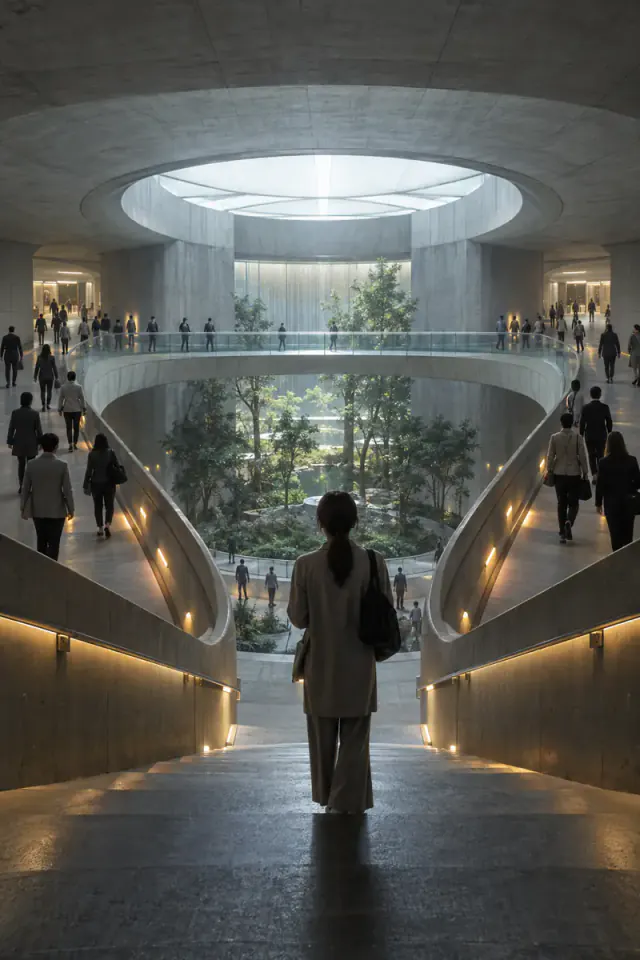
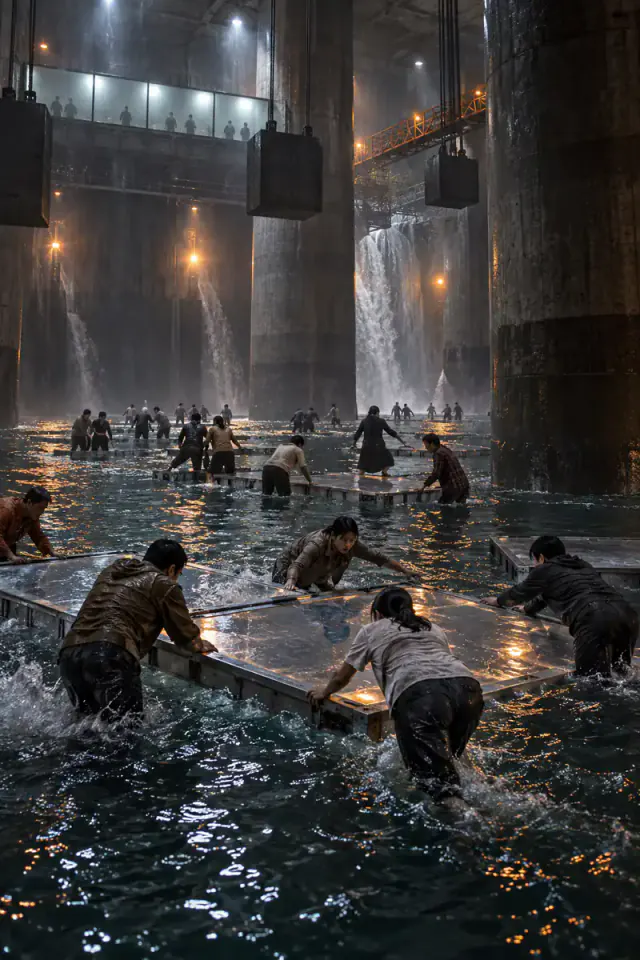
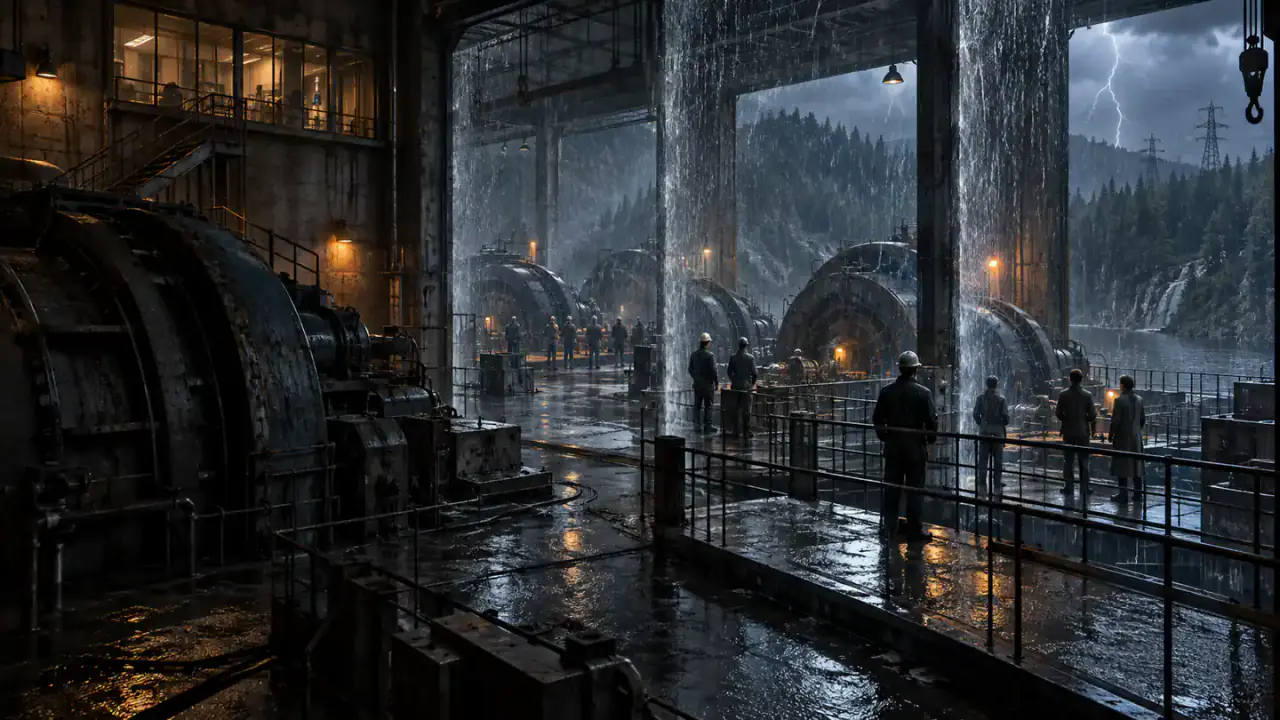
Architecture, weather, colour and framing turn the town into a network of memory. Recurring images change meaning rather than operating as decorative clues, and low-light scenes preserve readable faces and spaces. The visual grammar aids navigation while sustaining unease.
Music and sound supply pattern, pressure and silence. Sonic motifs connect periods and relationships, though the dense mix can sometimes sustain intensity past the point of emotional variation. The overall audiovisual system is unusually coherent. More speculative stories that treat ideas as human pressure can be found in the science-fiction catalogue.
Audience and content guidance
This is for viewers who welcome subtitles, intricate serialized mysteries and complete stories that demand attention to family relationships. It is poorly suited to casual background viewing, rapid standalone resolution or anyone seeking a light treatment of grief. The US Netflix TV-MA display is regional service guidance; the complete run includes violence, death, suicide-related material, sexual content, strong language, missing children, grief, disturbing imagery and sustained threat.
The complete Screen Verdict review archive contains more spoiler-free criticism. Dark earns 9.0/10 as a demanding complete series whose maze remains valuable because choices echo through it, even when cognitive load and schematic exposition test the viewer.
Strengths
- Coherent long-form construction
- Atmosphere that assists narrative memory
- An ensemble capable of carrying secrecy
- Serious engagement with responsibility
Weaknesses
- Heavy cognitive load
- Exposition sometimes becomes schematic
- Characters can be subordinated to the elegance of the design
Audience fit
Who should watch it?
Viewers who welcome subtitles, intricate serialized mysteries and complete stories that demand close attention to family relationships.
Parental and content guidance
Netflix maturity rating TV-MA — United States. Service display is regional and was checked on the US title page.
Trailer policy
Trailer unavailable
No verified official trailer is linked, embedded or set to autoplay.
Continue exploring